
Wicklow Mountains history in the landscape
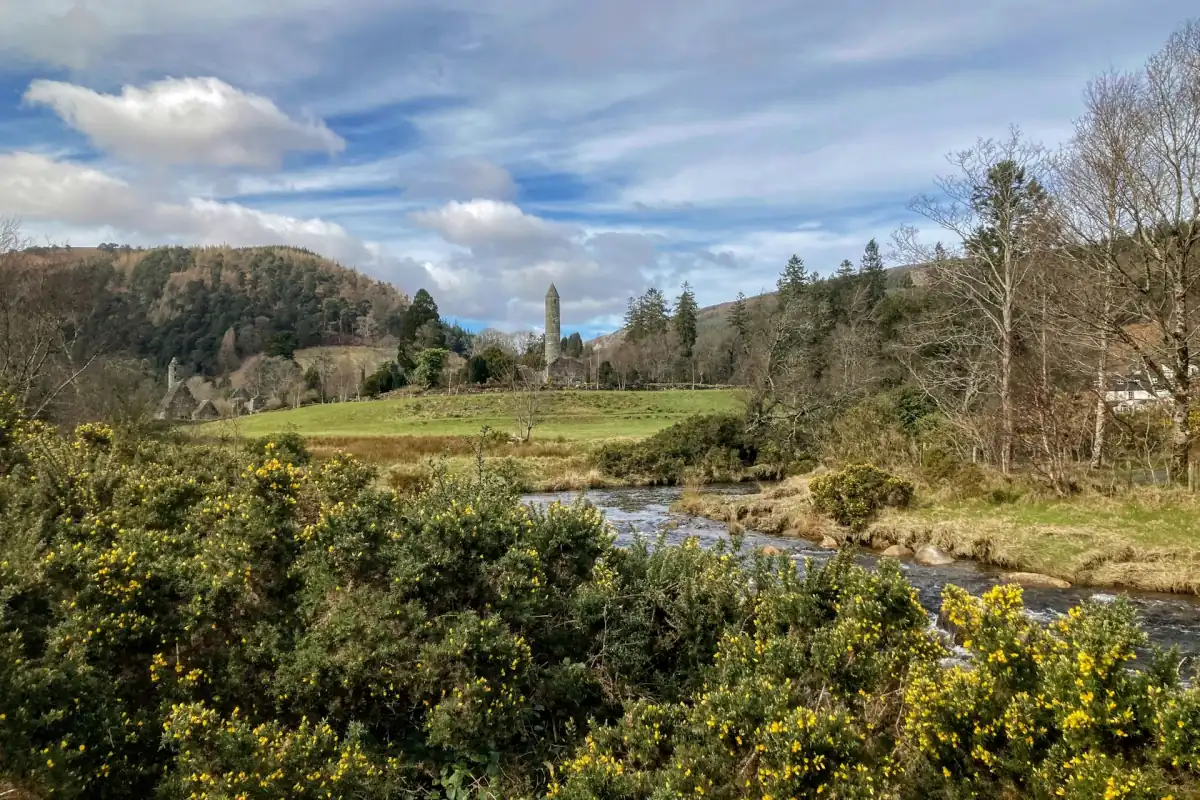
Wicklow Mountains history is visible through different kinds of place: the line of the Military Road, Enniskerry’s village centre, old mining sites within the protected landscape and locations used for film and television. These layers make a regional visit more interesting when they are kept distinct. A road journey, an estate visit and a national park walk each reveal a different part of the region.
Start with the place you want to understand, then choose the appropriate way to reach it. The Sally Gap road guide helps with a driving itinerary, while Powerscourt calls for separate planning of the garden and waterfall. Film connections provide another way to look at a landscape, but public access depends on the actual place. A former filming location should be visited according to its present access rules.
The Great Military Road and today’s drive
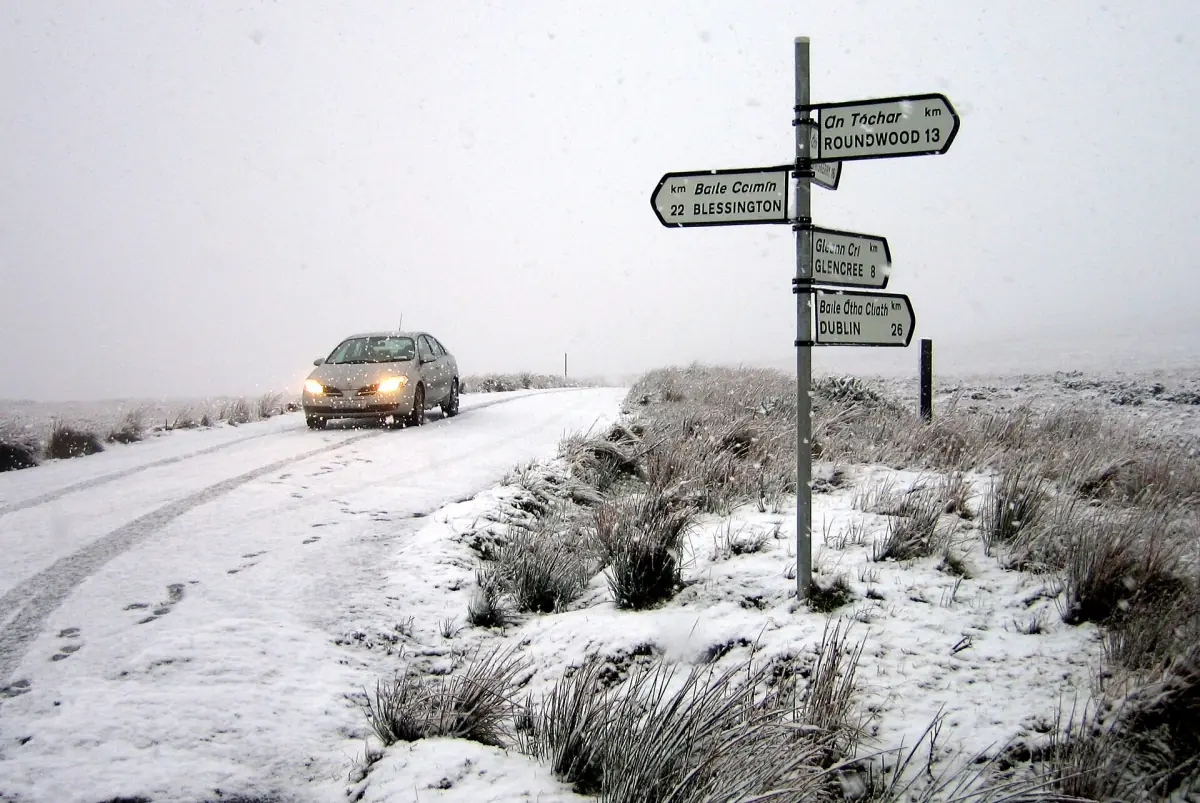
The Great Military Road was built from 1801 to 1809. Its historical main route linked Rathfarnham and Aughavannagh, with a side branch between Enniskerry and Glencree. Those place names help explain the regional extent of the road’s history, beyond a single viewpoint or crossroads.
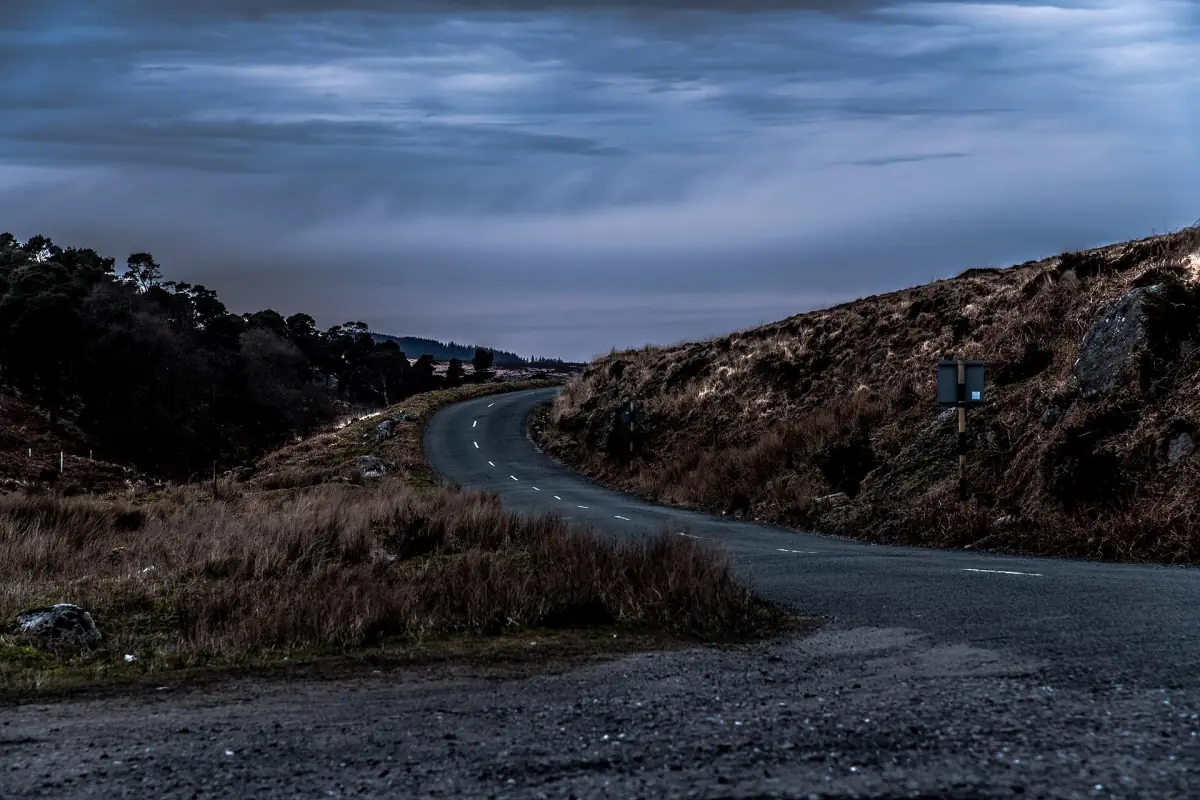
Keep that historical route distinct from the present R115. For a visit, plan the roads you will actually drive rather than treating the old route as a ready-made modern circuit. The meaning of a historical road and the practicalities of using mountain roads belong together, but they answer different questions. Choose a manageable journey with time to stop appropriately and follow current signs and local conditions.
Our pick: Wicklow sightseeing
Our take: A guided sightseeing drive provides context for exploring the Wicklow landscape.
Hand-picked tours, booked through GetYourGuide. Prices are indicative starting prices in euros (as of October 2026). Tap a tour for live availability and the current price in your currency.
A landscape excursion from Dublin
The sightseeing journey includes coach transport, an English-speaking guide, entrance fees and a whiskey taste, with Sally Gap and Lough Tay on its landscape route.
The national park from 1991
The government decision establishing Wicklow Mountains National Park dates to 1991. Its landscape includes blanket bog, wet and dry heath, mountain grassland, oak woodland, corrie lakes and old mining sites. That combination gives a visit both a natural setting and visible traces of earlier activity. Read the landscape broadly rather than expecting every historic feature to be a separately interpreted attraction.
For today’s visit, the national park guide explains free access, visitor information and local restrictions. Conservation matters when looking at older sites: leave plants, fungi, animals and stones in place and take litter away. Historical interest provides a reason to observe carefully, while the park’s protection rules determine how to move through the setting.
Enniskerry and the Powerscourt setting
Enniskerry developed historically as a settlement serving the neighbouring Powerscourt estate. The triangular village square and clock tower give a clear focus to a village stop. Linking the village with an estate visit helps put the places into their regional context, without turning the village into a separate attraction itinerary that overwhelms the day.
Powerscourt is a private estate, separate from national park management. The garden and waterfall are distinct destinations with their own approaches and admission arrangements. If both feature in a history-minded visit, allow for the journey between them. The village bases guide explains how Enniskerry fits an overnight plan and the northern walking area around Knockree.
Film and television locations
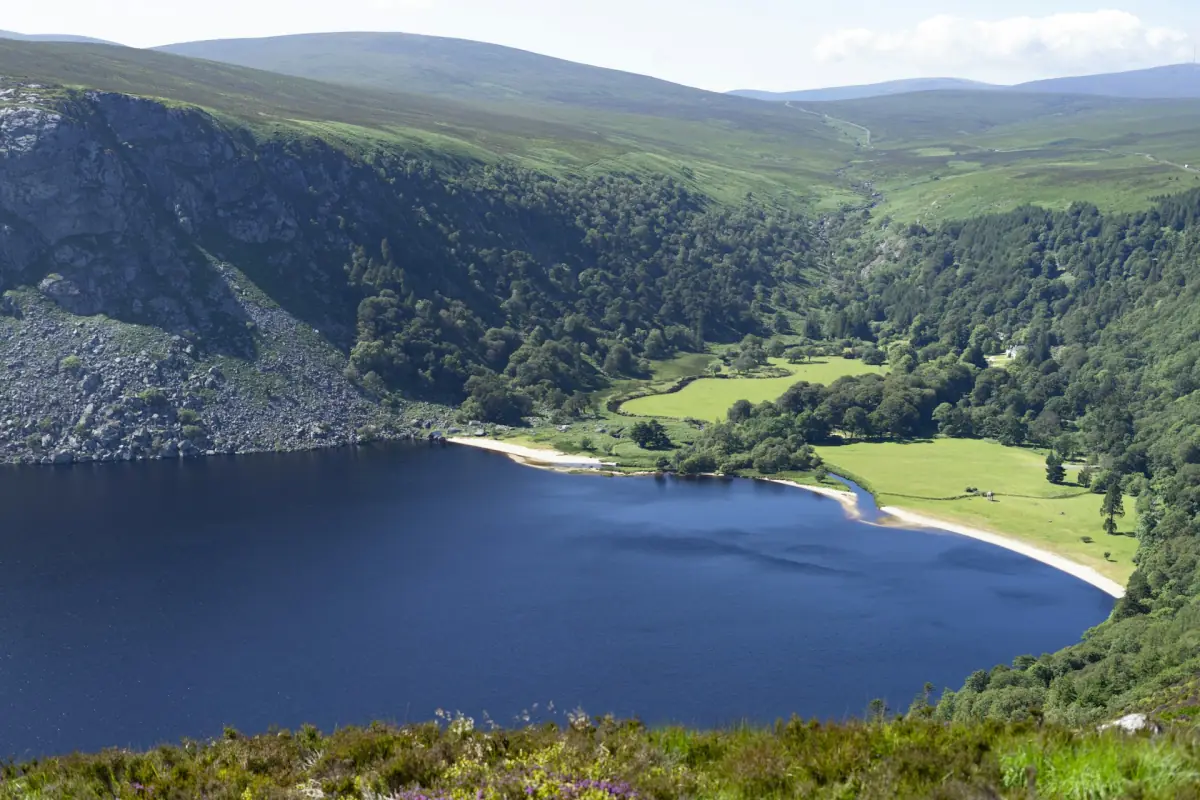
Lough Tay supplied a fjord setting for Vikings. Public viewpoints near Ballinastoe Woods and the J. B. Malone Memorial offer a way to look across the landscape, while access to the lake and shore is excluded by the owner. Keep a visit centred on the Lough Tay viewpoints rather than a search for a working or preserved set.
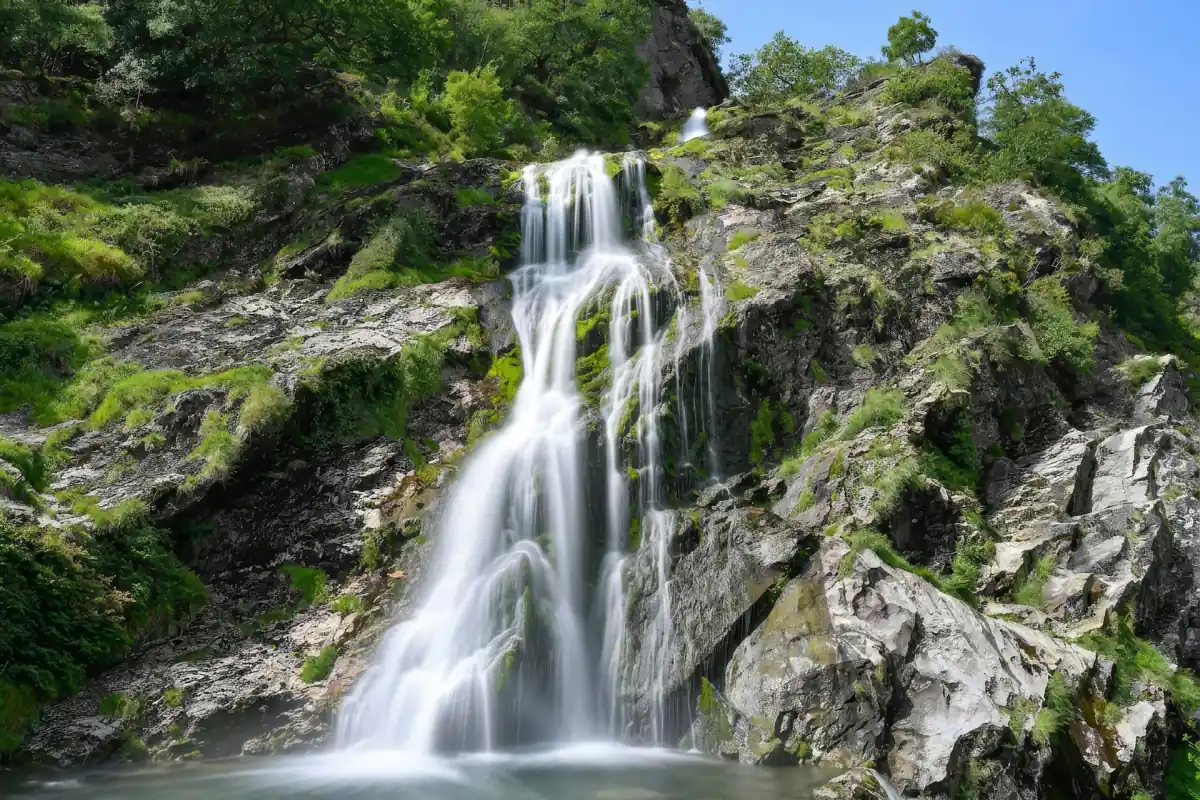
Powerscourt Waterfall has filming connections with Into the West, Willow, Excalibur and Cocaine Bear. The wider Powerscourt Estate is associated with Barry Lyndon and Vikings. These are place associations; choose the present attraction you want to visit instead of expecting a specific film scene at every corner of the grounds.
Enniskerry was transformed for Disenchanted filming in summer 2021. That is a historical part of the village’s screen connection. Today’s visit can combine the village setting with the estate’s separate attractions, following the access and opening arrangements for each place.
Glendalough and a history-focused itinerary
For another historical destination in the region, continue to Glendalough monastery and lakes. Keep that visit separate from the road and estate themes explored here, with its own time in the plan.
The excursion featured on this page is a landscape sightseeing day with an English-speaking guide and a whiskey taste. Choose it for that programme rather than a dedicated history lecture or film-set visit. For independent travel, the transport guide helps connect your chosen places; for a broader comparison of guided days, consult Wicklow excursions.
Questions before you go
When was the Military Road built?
Its construction dates to 1801 to 1809. The historical route linked Rathfarnham and Aughavannagh and had a branch between Enniskerry and Glencree; plan today’s drive using the actual modern roads.
When was the national park established?
The government decision dates to 1991. Use that as a historical milestone while planning the present visit around current access and local restrictions.
Can the Vikings location at Lough Tay be visited at the shore?
The owner excludes access to the lake and shore. Use the public viewpoints near Ballinastoe Woods and the J. B. Malone Memorial for a landscape visit.